Create Greater Consistency And Comfort in Your Building With One Simple Upgrade
Facility managers are responsible for maintaining buildings' comfort and efficiency while controlling long-term operating costs. Sun exposure, temperature fluctuation, and occupant comfort all play a role in how well a facility performs day after day. Your window shades play a huge role in this, and when they’re left to inconsistent (or no) management, you end up with disrupted operations and increased productivity costs.
Motorized shades help you optimize your business operations. Rather than relying on occupants or staff to manage daylight, automated shading systems regulate light and heat in a consistent and repeatable way.
The Hidden Cost of Manual Window Treatments
When you leave shades to manual adjustments, you end up with inconsistencies across the board. In one area, blinds remain open during peak sun exposure. In another, they stay closed all day regardless of conditions. Conference rooms struggle with distracting glare and perimeter offices absorb heat gain throughout the day.
This unmanaged sunlight increases solar heat gain near windows, leads to uneven temperatures, and creates higher cooling demand. Your cooling and heating work harder to compensate, particularly during peak daylight hours, and facilities teams face constant complaints.
Over time, these patterns contribute to higher energy consumption, increased wear on mechanical equipment, and ongoing interruptions that pull focus away from strategic facility priorities.
How Motorized Shades Improve Daily Performance
With motorized shades, you standardize control across your property. Adjust shades based on time of day, sun angle, or predefined schedules aligned with your building usage. For example, east-facing windows close shades in the morning but west-facing areas stay open until the afternoon. Conference rooms and shared spaces can be set to default glare-reducing positions before they are occupied.
These changes happen without staff intervention. Interior temperatures remain more stable across zones, HVAC systems operate within a narrower performance range, and occupants experience fewer comfort issues. From an operational perspective, the building behaves more predictably, which simplifies energy management and reduces the need for reactive maintenance.
A Smarter Long-Term Investment for Facilities
The ROI on motorized shading is cumulative rather than isolated. By limiting solar heat gain, facilities reduce cooling demand during high-load periods, thereby supporting more efficient HVAC operation. Stable interior conditions help extend equipment lifespan while improving overall system reliability.
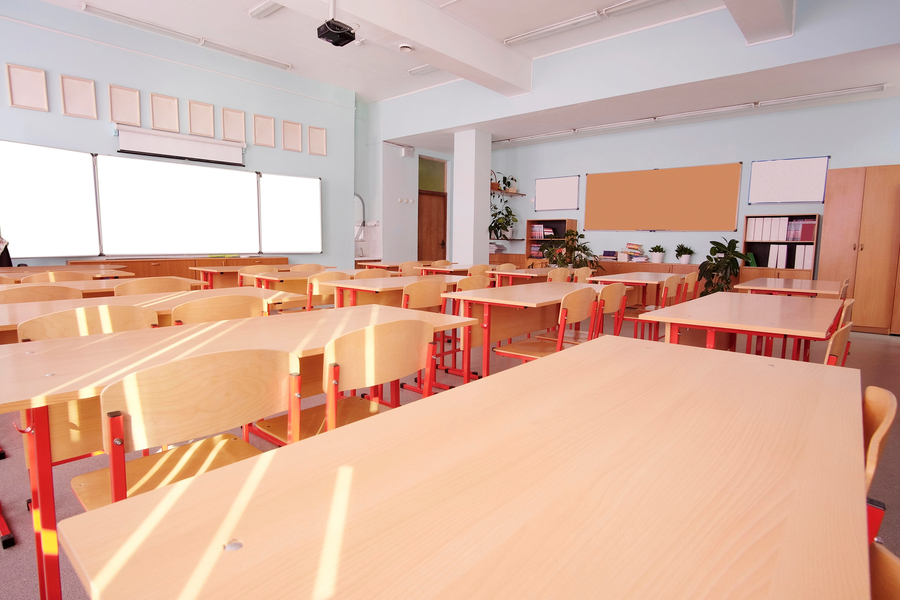
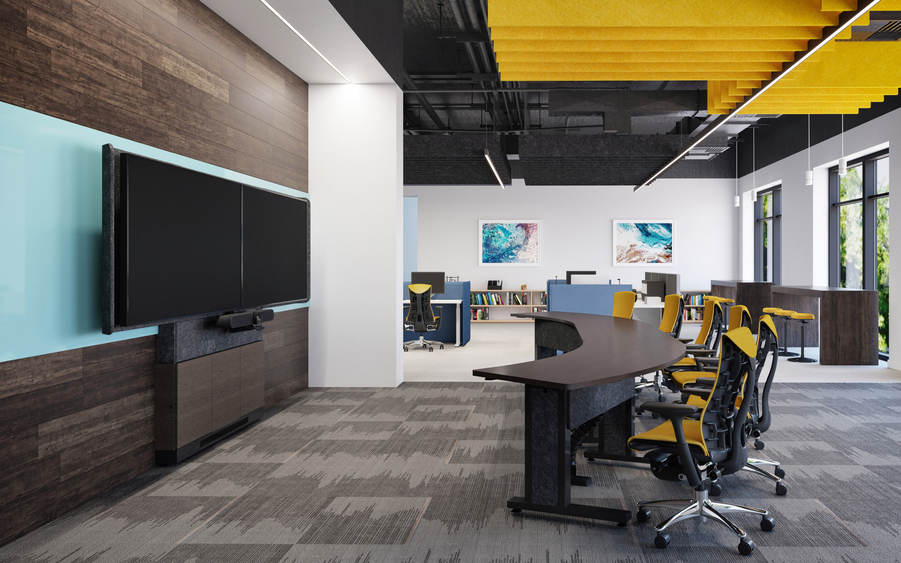
Motorized shades also contribute to a consistent and professional appearance throughout a facility. Shared spaces maintain uniform light control regardless of individual habits, which is especially valuable in corporate offices, healthcare environments, and education facilities. For organizations managing multiple sites, centralized control allows consistent performance standards across locations without increasing operational complexity.
Are Motorized Shades a Good Fit for Your Business?
Facilities with significant window exposure, recurring glare issues, or rising energy demand tied to solar gain benefit most from motorized shades. They are particularly effective in environments where conditions change constantly or where there are a lot of windows to manage
If unmanaged sunlight is contributing to comfort complaints, uneven temperatures, or unnecessary HVAC strain, motorized shades may offer a measurable operational improvement. A professional evaluation can identify where automated shading would deliver the greatest efficiency gains while supporting long-term facility goals.
To learn more about our commercial motorized shades solutions, give us a call or fill out our contact form. We’ll advise you on the best options for your space.