Don’t Let Unclear Alarms or Alerts Put Your Safety At Risk
Many homeowners don't give their security system a second thought until something changes. A new child in the house, teenagers coming and going at odd hours, aging parents spending more time alone, or longer stretches of travel all have a way of shifting how you think about what’s happening inside your home when you’re not there.
It’s in those moments that an alarm goes off and creates more questions than answers. The system alerts you as designed, but the alert alone doesn’t explain what actually happened. You’re left trying to decide whether this is routine or warrants immediate attention.
Without video verification, you could lack the urgency you need or be stressed for no reason. It’s this final piece of the puzzle that makes it easy for you to respond after an incident.
Is Your Alarm Creating Unnecessary Stress?
Traditional alarm systems are pretty straightforward. A sensor detects motion when a door opens or glass breaks and sends a signal to a monitoring center. Then, depending on your configuration, the alarm goes off, or you receive a security notification on your phone. This approach often leaves too much open to interpretation.
Not every motion or alert is a crisis. Sometimes it’s just pets moving around the house. Family members forget to disarm the system. Even environmental changes outside, like changes in temperature slightly move a window sensor.
That lack of context leads to false alarms, unnecessary calls, and added stress—often at night or while you’re away and least able to verify what’s happening yourself.
How Does Video Verification Add Necessary Context?
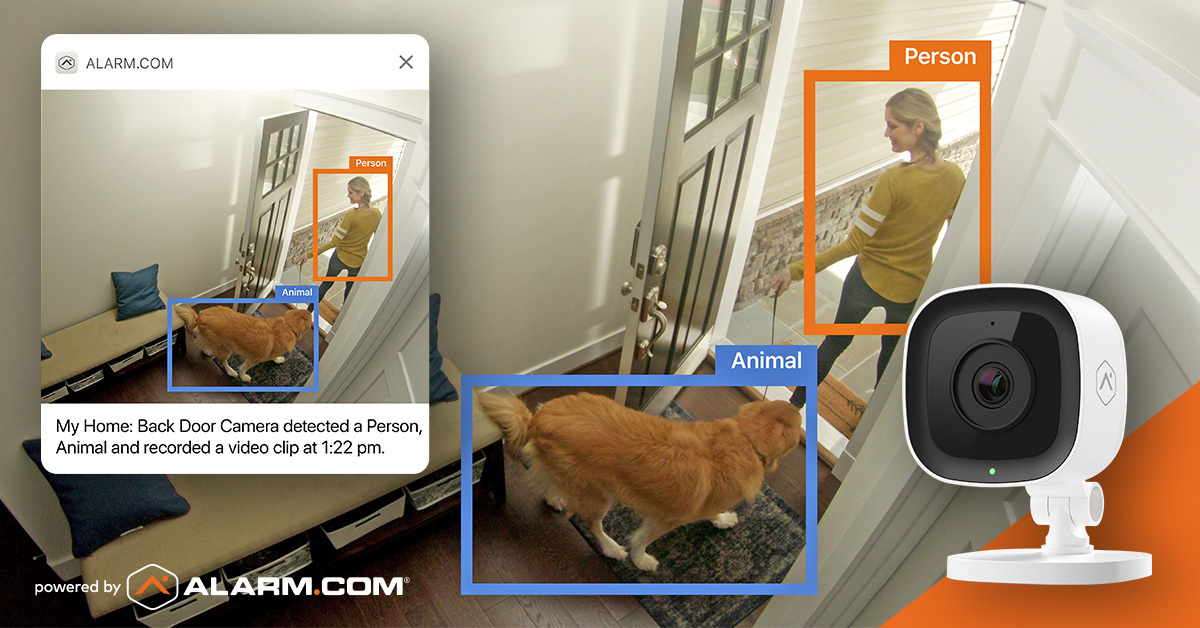
With video verification, you get a short video clip from the moment the sensor was triggered. You or your security monitoring team can instantly see what happened.
If motion near a back door is triggered and the video shows someone testing the handle, the situation is treated as a real emergency. If the video shows a family member arriving home late, you can simply unlock the door for them remotely—then talk to your teens in the morning.
It’s important to be clear about what video verification is not. This does not mean someone is actively watching your cameras throughout the day. Video is reviewed only when an alarm event occurs to enable faster, better-informed decisions during moments that matter.
How Video Verification Helps Your Day-to-Day
As households change, so do security needs. When children are old enough to stay home alone or when aging parents require more oversight, knowing exactly what’s happening in the home becomes more important than simply knowing that something happened. With video verification, you get valuable information for peace of mind or to be able to respond quickly if needed.
Here’s how it plays out when your kid gets home from school. When the front door opens, the system registers the entry, and instead of just seeing an alert on your phone, there’s a short video clip that shows your child walking in the door safely. You can tell right away that they made it home. You're not wondering if something went wrong or waiting to check in later. You already know they’re inside and everyone is safe.
If you want to understand whether video verification makes sense for your home or your next stage of life, a conversation with Westco can help you get a clear answer. Call or fill out our contact form to get started.